
Your Guide to Pressure Washing Outdoor Spaces in Northern Ireland


Bringing Your Outdoor Surfaces Back to Life
Northern Ireland’s damp, mild winters are perfect for one thing: creating a stubborn green sheen on our patios, driveways, and walls. That familiar layer of moss and algae is not just an eyesore. It can make paving dangerously slippery, turning a simple walk to the garden shed into a hazard. While scrubbing by hand is a thankless task, pressure washing offers a far more effective solution for this specific challenge of outdoor cleaning Northern Ireland.
This method quickly cuts through months of built-up grime, restoring surfaces to their former glory. This article will guide you through choosing the right equipment and essential safety measures. We will also provide step-by-step instructions for cleaning different surfaces and offer tips to maintain that fresh, clean look for longer.
Selecting the Right Pressure Washer and Attachments
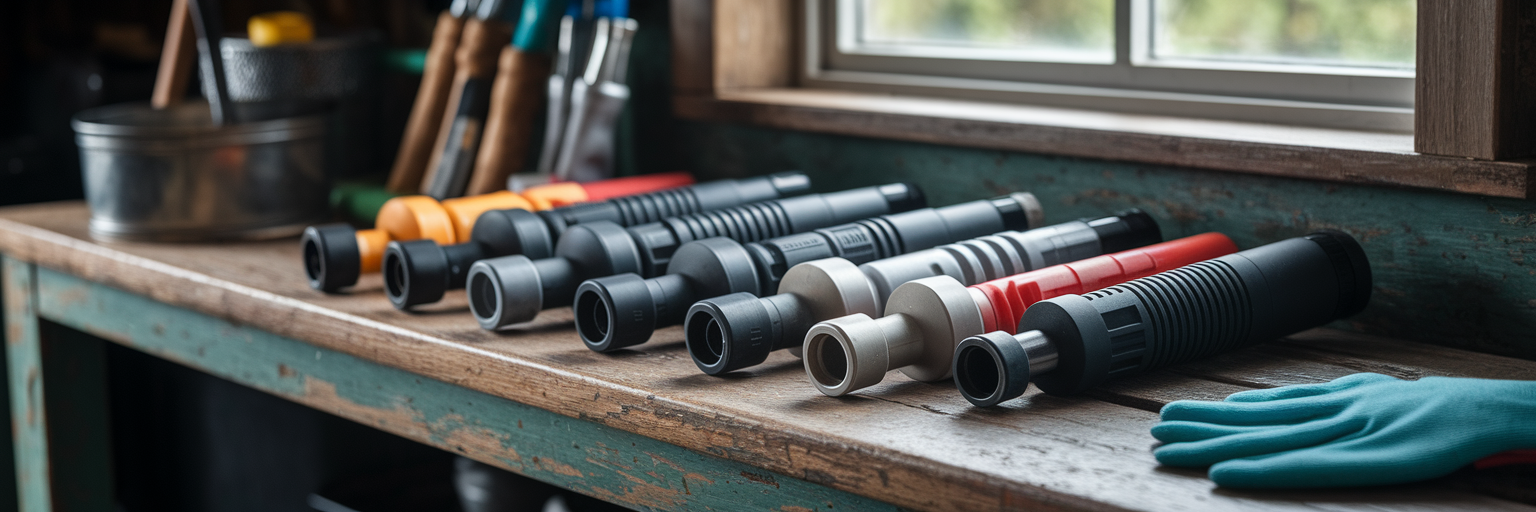
Choosing the right machine can feel complicated, but it comes down to two key numbers: pressure and water flow. Think of it like this: pressure, measured in bar, provides the force to lift stubborn dirt, while the flow rate, in litres per minute (LPM), supplies the water volume to wash it all away. A good balance between the two ensures an efficient clean without causing damage. For most domestic jobs, an electric model is sufficient, while larger commercial sites might require a more powerful petrol machine. When you're ready, you can explore our comprehensive range of power washers, to find a machine that suits your needs.
Understanding Pressure (Bar) and Flow Rate (LPM)
Higher bar ratings are great for tough surfaces like concrete, but can be destructive on softer materials. The LPM indicates how quickly you can rinse an area. A higher LPM means faster cleaning, but also uses more water. Matching these specifications to your primary cleaning tasks is the first step in this pressure washer guide.
Soft Washing: A Gentler Approach for Delicate Surfaces
Not every surface can withstand a direct blast. Soft washing is a low-pressure technique that relies on specialised cleaning solutions to break down dirt, algae, and moss. As noted by cleaning experts at CleanCoat.co.uk, this method is ideal for delicate materials common across Northern Ireland, such as K-rend render, older sandstone patios, or wooden decking, which can be permanently scarred by high pressure.
Choosing the Correct Nozzle for the Task
The nozzle you attach is just as important as the machine itself. A narrow fan nozzle concentrates pressure for general cleaning, while a rotary or turbo nozzle spins a powerful jet to tackle ingrained grime on concrete. Using the wrong one, like a turbo nozzle on a wooden fence, can cause irreversible damage like etching or splintering. Always start with a wider angle nozzle and test on a small, hidden area first.
| Surface Type | Recommended Pressure | Recommended Nozzle | Key Consideration |
|---|---|---|---|
| Concrete Driveway | High (130+ bar) | Turbo/Rotary or Narrow Fan | Can withstand high pressure, but test on a small area first. |
| Block Paving | Medium (110-130 bar) | Fan Nozzle (25-40 degree) | Avoid aiming directly at joints to prevent dislodging sand. |
| Natural Stone Patio (e.g., Sandstone, Basalt) | Low to Medium (80-120 bar) | Fan Nozzle (40 degree) | Start with low pressure to avoid etching or damaging the stone face. |
| Wooden Decking | Low (50-80 bar) | Wide Fan Nozzle (40-60 degree) | High pressure will splinter wood and strip finishes. Soft washing is often better. |
| K-Rend / Rendered Walls | Very Low (Soft Wash) | Soft Wash Nozzle / Wide Fan | High pressure will strip the render. Use a dedicated cleaning solution. |
Note: These pressure recommendations are general guidelines. Always consult your pressure washer's manual and test on an inconspicuous area before cleaning the entire surface.
Essential Safety Measures Before You Begin
It is tempting to just plug in and start blasting away the grime, but a few minutes of preparation are vital for safety. A pressure washer is a powerful tool, and treating it with respect prevents accidents. Before you even switch it on, run through this simple checklist to ensure a safe and smooth cleaning session.
- Personal Protective Equipment (PPE): Your eyes are most at risk from flying debris. Always wear safety goggles. Sturdy, waterproof boots with good grip are also essential, as surfaces will become wet and slippery. Gloves will protect your hands from cleaning agents and prolonged vibration.
- Prepare the Area: Move all garden furniture, plant pots, toys, and other obstacles out of the way. Most importantly, ensure children and pets are safely indoors and will not wander into the work area.
- Electrical Safety: If using an electric model, plug it into an outdoor socket protected by an RCD (Residual Current Device). Always be aware of where the power cord is to avoid tripping over it or accidentally spraying it with the high-pressure jet.
Step-by-Step Guide to Cleaning Patios and Driveways
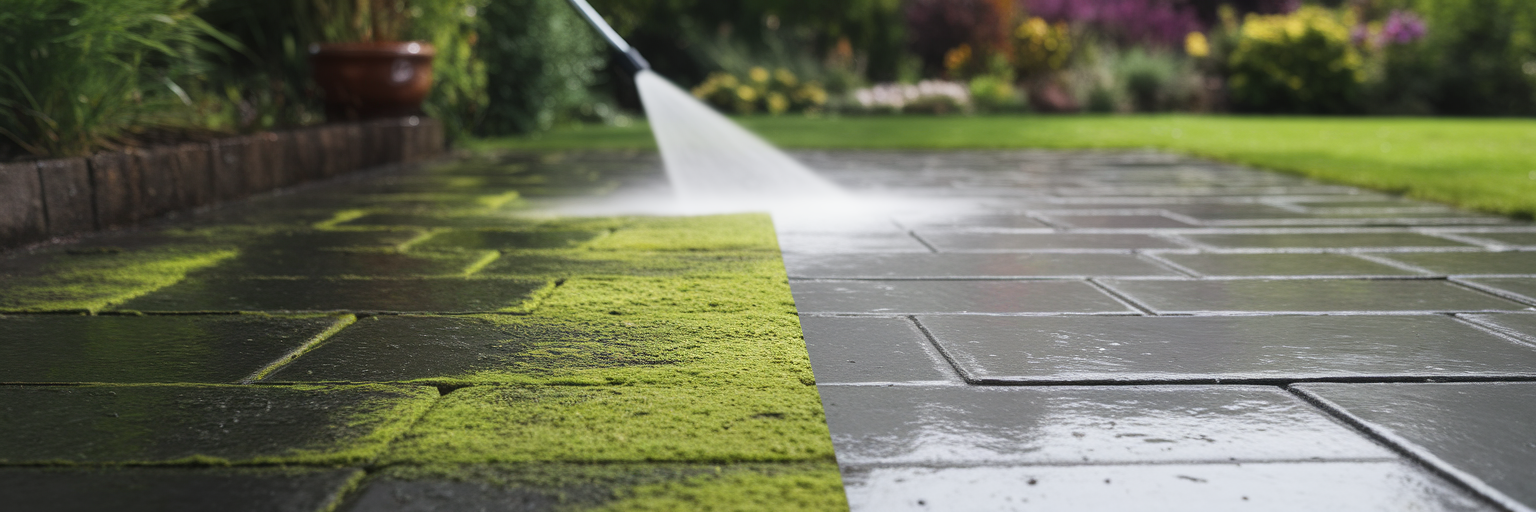
With your equipment selected and safety checks complete, you are ready to tackle those hard surfaces. Following a structured process not only delivers better results but also protects your paving from unintentional damage. These driveway cleaning tips and patio advice will help you achieve a professional, uniform finish.
Preparation and Pre-Treatment
First, use a stiff brush to sweep away all loose leaves, dirt, and debris. This prevents you from simply spraying mess around. For areas with heavy moss, thick algae, or stubborn oil stains, applying a pre-treatment cleaner and letting it sit for the recommended time will make the pressure washing stage much easier.
The Correct Washing Technique
Begin washing by holding the lance at a consistent distance of about 15-30cm from the surface. Work in broad, overlapping sweeps to avoid creating lines or stripes. The most common mistake is aiming the jet directly into the gaps between paving slabs or blocks. This can blast out the jointing sand or mortar, leading to wobbly pavers and weed problems later on. Instead, direct the spray at a slight angle across the joints.
Tackling Different Surfaces
Our best patio cleaning advice is to adapt your technique to the material. Concrete can handle higher pressure, allowing you to work more quickly. For block paving, you will need to re-sand the joints after the surface is completely dry to restore stability. Natural stone like basalt or sandstone requires a gentler touch with lower pressure to prevent etching the surface. For particularly stubborn grime on floors and patios, exploring our range of dedicated floor cleaners can provide the extra power needed before the final rinse.
Reviving Garden Furniture and Wooden Decking
While patios and driveways need power, garden furniture and decking require a more careful approach. Plastic and powder-coated metal furniture can usually handle moderate pressure with a wide fan nozzle, making quick work of winter grime. However, wood is a different story. We see it all the time: someone takes a high-pressure jet to their decking and is left with a fuzzy, splintered surface.
High pressure will permanently raise the grain of the wood and can strip away protective oils and stains in an instant. For one of our most important pressure washing tips, follow this safer process for wood:
- Gently wet the surface with a low-pressure spray.
- Apply a suitable wood cleaner and let it work.
- Wash carefully with the lowest pressure setting and a wide spray pattern, keeping the nozzle moving.
- Rinse thoroughly to remove all cleaning solution.
Crucially, you must allow the wood to dry completely, which can take 24-48 hours, before applying any new sealant or oil. Whether you are cleaning furniture or tackling the lawn, having the right tools is essential. You can browse our collections to find everything you need for your outdoor space.
Maintaining Your Clean Outdoor Space
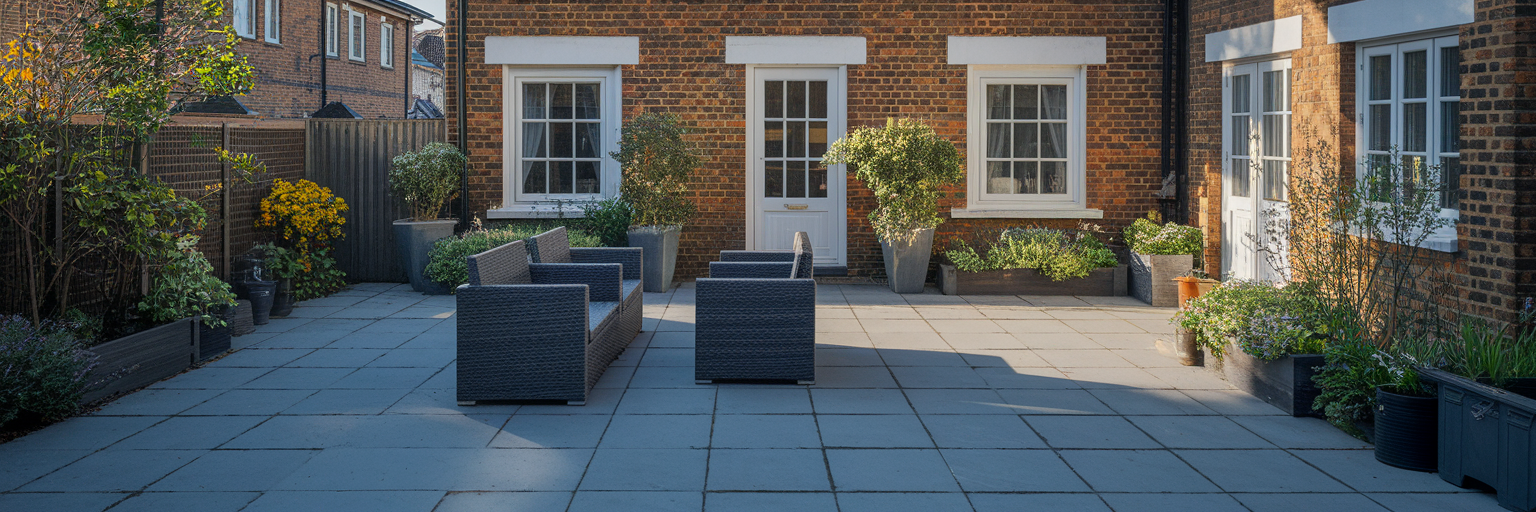
After putting in the effort to restore your outdoor areas, the last thing you want is for the green to return in a few months. The key is shifting from a single annual deep clean to a more regular maintenance routine. As a general rule, experts at London Stone suggest a thorough clean for your patio at least twice a year, once in spring and again in autumn.
Between these sessions, simple actions make a big difference. Regularly sweeping away fallen leaves and debris prevents moisture from getting trapped, which is what encourages algae to grow in the first place. For a longer-lasting finish, consider applying a specialised patio or driveway sealant after cleaning. This creates an invisible barrier that helps inhibit weed growth and slows the return of moss, reducing your future workload. By investing in quality equipment and following a regular maintenance schedule, you can keep your property looking its best year-round. At Gerni NI, we provide the tools and expertise to help you achieve professional results.
Recent Blogs

 November 26, 2025
Efficient Garden Clear Ups with Your STIHL Leaf Blower in Northern Ireland
Year-Round Uses Beyond Autumn Leaves Many people put their leaf...

 November 21, 2025
How Robotic Mowers Master Northern Ireland's Lawns
Achieve a Healthier, Greener Lawn Beyond giving you back your...

 November 18, 2025
A Practical Guide to Year Round Gardening in Northern Ireland
Understanding Your Garden's Foundation Our region's maritime climate, with its...