

The same mild, damp climate that gives Northern Ireland its famous green landscapes also presents unique challenges for the home gardener. Understanding how to work with our weather is the first step to a thriving garden all year round.
Understanding Your Garden's Foundation
Our region's maritime climate, with its mild winters, cool summers, and high rainfall, directly influences plant health. While it supports lush growth, it also creates the perfect conditions for fungal diseases like blight and mildew. This makes good air circulation and well-draining soil not just beneficial, but essential for keeping plants healthy and resilient.
This brings us to the ground beneath your feet. While generally fertile, soil in Northern Ireland often leans towards being acidic. The first step in effective soil care for Irish gardens is to understand what you are working with. Is your garden built on heavy clay that holds water, or a more balanced loam? Knowing this dictates how you should cultivate your beds and what will grow best.
A simple pH test, available at any garden centre, can provide a wealth of information. It helps you select plants that will naturally thrive in your conditions and tells you exactly what amendments are needed. Instead of guessing, you can make informed decisions that save time and prevent disappointment.
The most reliable way to improve soil structure is by adding organic matter. Incorporating well-rotted manure or homemade compost works wonders. In heavy clay, it opens up the soil structure to improve drainage and aeration. In all soil types, it provides a slow, steady release of nutrients, creating a foundation for strong, healthy plant growth throughout the year.
Spring Awakening and Preparation
As the days lengthen, the garden begins to stir. Early spring is a critical time for preparation, setting the stage for the productive months ahead. The focus now shifts from foundational work to a practical checklist of tasks to kickstart the growing season.
Your first jobs are to clear away winter debris, prune any winter-flowering shrubs that have finished their display, and lightly fork over your beds. This simple act of turning the soil helps to aerate it after winter compaction, making it more welcoming for new roots. It’s a satisfying task that signals a fresh start.
Next comes sowing. Some crops, like tomatoes and peppers, need a head start indoors on a warm windowsill or in a greenhouse. In contrast, hardy vegetables such as potatoes, carrots, and peas can be sown directly into the ground as soon as the soil begins to warm up. These seasonal gardening tips UK growers follow are crucial for timing your planting correctly.
Attention should also turn to the lawn. The first cut of the year should be done with the mower blades set high to avoid stressing the grass as it emerges from dormancy. Following this with a spring-specific lawn feed encourages vigorous, healthy growth, helping it outcompete moss and weeds. Speaking of which, it’s vital to remove weeds as soon as they appear. Pulling them out now prevents them from establishing and stealing valuable nutrients and water from your plants.
Maximising the Summer Growing Season
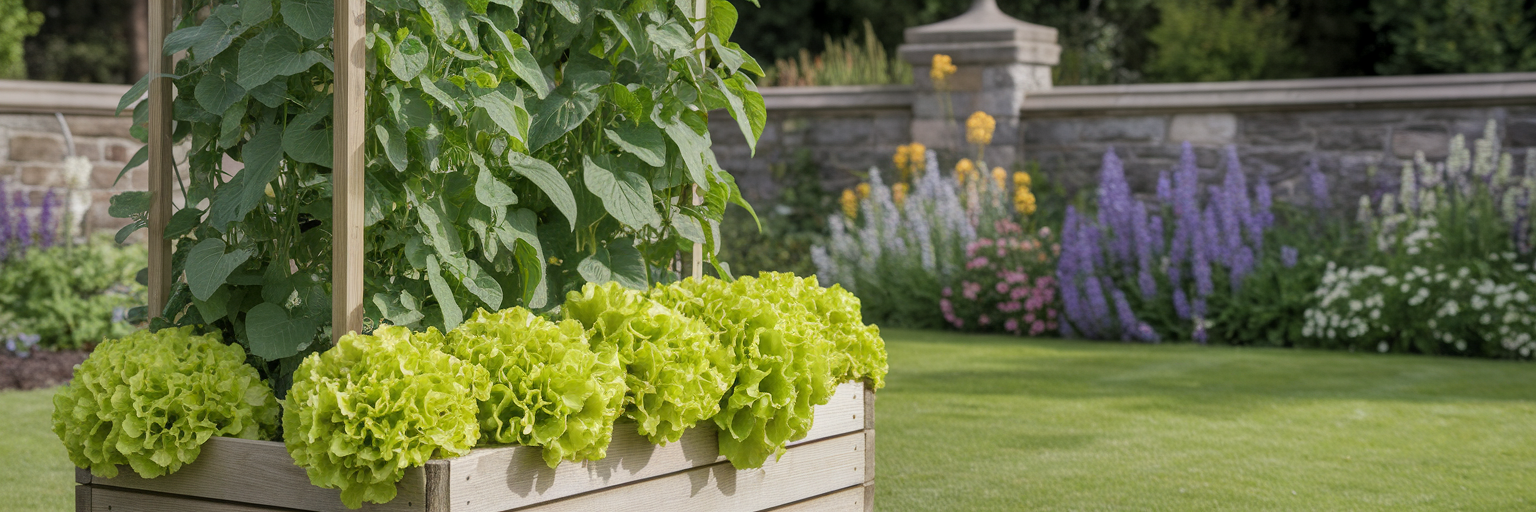
With the groundwork laid in spring, summer is all about active management to ensure a healthy and continuous harvest. The focus moves from preparation to maintenance, keeping the garden productive during its peak growing months.
Watering strategies become particularly important. The key is to water deeply but less frequently. This encourages plants to develop strong, deep root systems that are more resilient during any dry spells. Watering in the early morning is most effective, as it minimises evaporation and allows foliage to dry before evening, reducing the risk of fungal issues.
Summer also offers more planting opportunities. For a continuous supply of fresh produce, you can sow fast-growing crops in succession. Good options include:
- Lettuce and other salad leaves
- Radishes
- Dwarf green beans
- Courgettes
Knowing how to care for your lawn in summer is also vital. Regular mowing is necessary, but it’s important not to cut the grass too short. Leaving it slightly longer helps shade the soil, preventing it from drying out and scorching in sunny weather. For those looking to simplify this regular task, our range of robotic mowers can automate lawn maintenance, ensuring a perfect cut every time.
Finally, one of the most rewarding summer tasks is deadheading. By simply removing spent blooms from flowering plants, you redirect the plant’s energy from seed production into creating more flowers. This simple action extends your garden's colourful display right through the season.
| Season | Key Lawn Care | Key Planting & Harvesting | General Maintenance |
|---|---|---|---|
| Spring (Mar-May) | First cut with high blades; apply spring feed. | Sow hardy vegetables outside; start tender crops indoors. | Clear winter debris; weed beds thoroughly. |
| Summer (Jun-Aug) | Mow regularly (not too short); water during dry spells. | Succession sow salads; harvest soft fruits and early veg. | Deadhead flowers; manage pests. |
| Autumn (Sep-Nov) | Scarify to remove thatch; apply autumn feed. | Harvest main crops (apples, potatoes); plant garlic and winter greens. | Clear fallen leaves; add to compost bin. |
| Winter (Dec-Feb) | Stay off frosty grass; service the mower. | Harvest leeks and parsnips; plan next year's crops. | Protect tender plants; clean and store tools. |
This calendar provides a general guide. Timings may vary slightly based on local weather conditions in any given year.
Autumn Tasks for a Healthy Garden
As summer fades, the garden enters a new phase focused on recovery and preparation. Autumn is not about winding down; it’s about actively setting up your garden for a strong start next spring. This involves a series of clean-up and preparatory tasks that are distinct from the protective measures of winter.
This season is the prime time for lawn recovery. Scarifying to remove the build-up of thatch and moss allows air, water, and nutrients to reach the soil. As guidance from specialists at Greenhouse Stores highlights, early autumn is ideal for this, as the grass is still growing and can recover quickly. Making these autumn jobs manageable often comes down to having the right tools, and our selection of power and garden equipment can help you tackle them efficiently.
Autumn is also a busy period for harvesting and planting. It’s time to lift maincrop potatoes and gather apples. Once space is cleared, you can consider what to plant in autumn UK gardens. Hardy options like garlic, winter onions, and broad beans can be planted now for an early harvest next year.
Clearing fallen leaves is another essential task. Removing them from the lawn prevents the grass underneath from dying, while clearing paths and patios removes a slippery hazard. These leaves are a valuable resource, so add them to your compost bin to create nutrient-rich compost for next year. Finally, apply an autumn-specific lawn feed. Its low-nitrogen, high-potassium formula is designed to strengthen roots for winter survival rather than encouraging vulnerable top growth.
Winter Protection and Planning
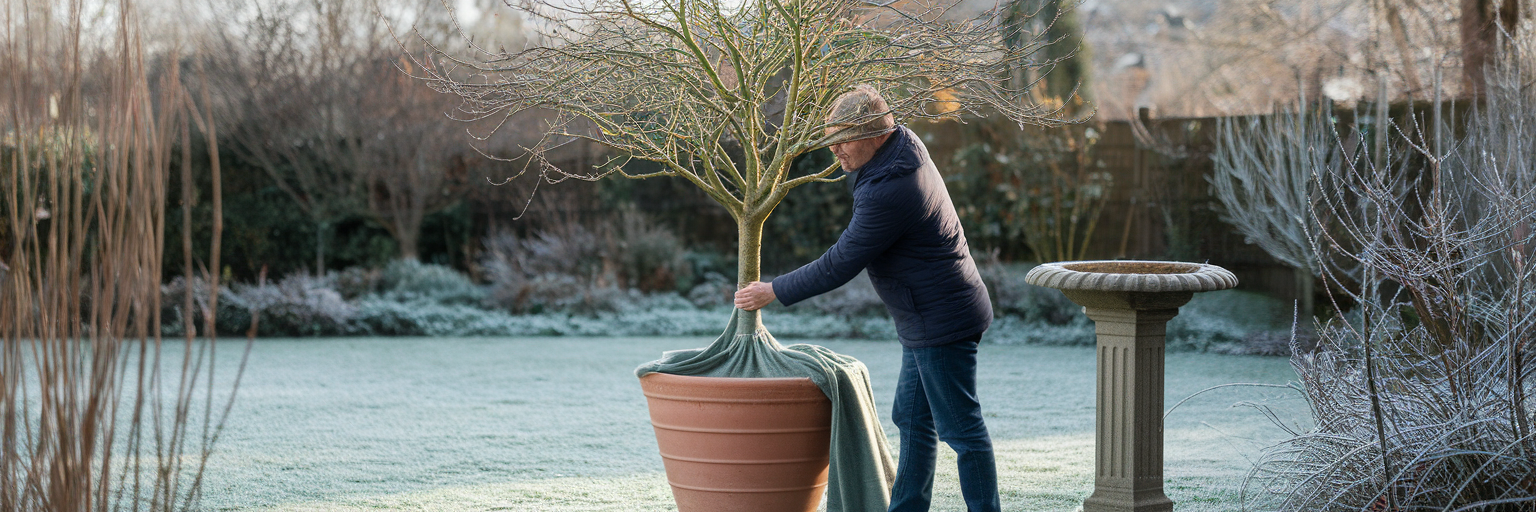
Winter is the garden’s quiet season, a time for rest, protection, and thoughtful preparation. The focus shifts from active gardening to essential maintenance, ensuring your plants and tools are ready for the year ahead. This period of dormancy is the perfect opportunity to plan for future success.
Here are four key activities for effective winter garden maintenance Northern Ireland homeowners should prioritise:
- Protecting vulnerable plants. Move potted plants to a sheltered spot against a house wall or into a greenhouse. For tender perennials in the ground, apply a thick mulch of bark or compost around the base and consider wrapping them in horticultural fleece during the coldest spells.
- Essential maintenance. This is the ideal time to clean and oil your garden tools before storing them for winter. A tidy shed makes finding things easier in spring. It’s also wise to gently brush heavy snow off evergreen branches to prevent them from snapping under the weight.
- Planning for the year ahead. With fewer outdoor jobs, winter offers the chance to reflect. Review what worked well in your garden last year, sketch out new planting layouts, and enjoy browsing seed catalogues for inspiration.
- Minimal gardening jobs. The garden isn’t completely dormant. You can still harvest winter vegetables like leeks and parsnips, which often taste sweeter after a frost. It’s also a good time to build new structures, such as raised beds or compost bins, ready for spring.
Equipping Yourself for Garden Success
Having the right tools for the job transforms gardening from a chore into a pleasure. While enthusiasm is essential, quality equipment makes every task easier, safer, and more effective. It all starts with a few core hand tools. Every gardener needs a sturdy trowel for planting, a spade and fork for digging beds, sharp secateurs for pruning, and a rake for clearing and levelling soil.
As your garden matures or expands, investing in powered equipment becomes a sensible step. A quality lawnmower is a necessity for most, while tools like hedge trimmers or mechanical scarifiers can save a significant amount of time and physical effort. In Northern Ireland's damp climate, a pressure washer is also invaluable for keeping patios, paths, and decking free from the slippery algae that can build up over winter.
We believe the best garden tools for homeowners are those that are effective, durable, and safe to use. Investing in equipment from trusted brands is a better long-term decision than opting for cheaper alternatives that may not last. Investing in the right equipment makes all the difference, and for a comprehensive selection of high-quality tools for every task, you can explore our full range of products.